In today’s fast-paced business world, a brand is more than a logo or slogan; it’s the perceptions and emotions audiences associate with your company. As the market and consumer tastes change, you may wonder: Is it time to update your brand? The real question: Does your brand need a full rebrand or just a refresh?
“Rebrand” and “brand refresh” sound similar, but each is a different strategic move, with unique goals and investments. Confusing them risks wasting resources or harming your brand equity. Before taking action, understand whether your brand needs an evolution or a revolution. This article will clarify each option, explain what they mean, and help you determine which one makes sense for your business.
Beyond the Surface-Level Change: Defining the Terms
What is a Brand Refresh? (Evolution)
A brand refresh is an evolutionary step for an existing brand. Think of it as a strategic facelift or a modern update rather than a complete identity change, it enhances your current presence. The core essence, mission, and values of your brand remain intact while the appearance and some messaging are subtly adjusted for greater relevance.
The Definition
The primary definition of a brand refresh involves minor adjustments to visual identity elements. This could include updating your colour palette to reflect contemporary trends, refining your existing logo for better legibility or a more modern aesthetic, or making minor adjustments to your typography. Messaging might also see subtle shifts, perhaps to sound more inclusive, innovative, or simply more concise. The goal is to polish, not to reinvent.
The Purpose
The purpose of a brand refresh is inherently about modernisation and maintaining relevance. In today’s fast-paced digital world, what looked cutting-edge five years ago might now appear dated. A refresh ensures your brand continues to resonate with its target audience and stays ahead of competitors. It’s about staying current and ensuring your brand feels fresh and appealing without disrupting established recognition. For instance, a company might update its website’s user interface to improve navigation and visual appeal, a task that often falls under the purview of expert
web design services, ensuring the digital touchpoint remains contemporary while the core brand identity persists.
Scope of Change
In terms of scope of change, a brand refresh is characterised by smaller, thoughtful updates. Your company’s mission statement and core values typically remain untouched. The changes are designed to be subtle enough that loyal customers still instantly recognise your brand, yet significant enough to convey a sense of modernity and progress. It’s about enhancing, not erasing.
Timeframe & Cost
The typical timeline and cost associated with a brand refresh are considerably less than a full rebrand. Such projects can often be completed within a shorter timeframe, usually ranging from 1 to 2 months. Financially, they are generally less costly, typically ranging from a few hundred to several thousand pounds, depending on the complexity of the updates and the number of assets that need to be revised. This makes a brand refresh a more accessible option for businesses looking to make impactful changes without a massive investment.
Outcome
The outcome of a successful brand refresh is usually a subtle yet effective lift. Your brand feels revitalised, more contemporary, and better equipped to connect with its audience, all while maintaining its hard-earned recognition and familiarity. It’s about keeping your brand vibrant and recognisable in an ever-changing market.
What is a Full Rebrand? (Reimagining)
In stark contrast to a refresh, a full rebrand is a comprehensive and often radical overhaul of an established brand’s entire identity. This isn’t about minor tweaks; it’s about a fundamental reimagining of who your company is, what it stands for, and how it presents itself to the world.
The Definition
The definition of a full rebrand encompasses a wide array of core elements. This can include changing the brand’s name, designing an entirely new logo, crafting a new slogan, redefining its vision, mission, and fundamental values, and even shifting its target audience or overall market positioning. The objective is to cultivate a new, distinctly differentiated identity in the minds of all stakeholders: consumers, investors, competitors, and partners. This is a profound repositioning of the entire entity. For instance, if your company is undergoing a significant strategic shift, a
digital consultancy might recommend a full rebrand to align your online presence with your new business direction.
The Purpose
The purpose of a full rebrand is to achieve a profound repositioning. It’s often triggered by major business transformations, such as mergers or acquisitions, significant pivots in product offerings, or fundamental changes in corporate philosophy. The goal is to create a new narrative and a new perception that accurately reflects the company’s evolved nature or strategic intent. This often requires a deep dive into market research and strategic planning, areas where
branding experts excel.
Scope of Change
The scope of change in a full rebrand is comprehensive. It touches every aspect of the company’s identity, from its visual assets to its verbal communication, and often extends to its internal culture and operational processes. The changes are designed to be noticeable and impactful, signalling a clear break from the past and a bold step into the future. This level of change requires meticulous planning and execution, often involving extensive
web design and development to ensure the new identity is consistently applied across all digital platforms.
Timeframe & Cost
Given its extensive nature, the typical timeline and cost for a full rebrand are significantly higher than a refresh. Such projects can take 6 months or more to complete, and the financial investment can range from several thousand pounds to hundreds of thousands, escalating rapidly based on the complexity of the organisation and the scale of the transformation. This substantial commitment underscores the need for a clear strategic imperative.
Outcome
The outcome of a successful full rebrand is a profound change to public perception. It leads to a complete repositioning within its industry and target market, allowing the company to shed old associations, embrace new opportunities, and forge a new, stronger connection with its audience. It’s about reinvention and renewed purpose.
When to Choose Which: Key Indicators for Your Brand
Deciding between a refresh and a rebrand is a critical strategic choice that depends on a thorough assessment of your current situation and future goals. Misdiagnosing your needs can drain resources, miss opportunities, or harm your brand. Here are key indicators to help you determine the right path:
Opt for a Refresh When
A brand refresh is the appropriate choice when your core brand identity remains strong and relevant, but its external presentation needs a contemporary update.
- Your brand needs to look more modern or contemporary. This is perhaps the most common trigger. If your logo feels dated, your website looks like it’s from the early 2000s, or your colour palette seems out of step with current design trends, a refresh can bring your brand into the present without altering its fundamental essence. This is where a strong web design team can make a significant impact, ensuring your digital presence reflects modern aesthetics and user experience standards.
- You’re targeting new audiences but retaining core values. If you’re expanding your reach to a slightly different demographic but your foundational values and mission remain the same, a refresh can help you appeal to this new group without alienating your existing customer base. It’s about broadening appeal, not changing identity.
- Minor visual or messaging inconsistencies need streamlining. Over time, especially in larger organisations, brand elements can become fragmented. A refresh can unify disparate visual styles or inconsistent messaging across different departments or touchpoints, ensuring a cohesive brand presentation. This consistency is vital for effective SEO consultancy efforts, as search engines favour clear and consistent brand signals.
- The core identity is strong but needs a facelift. If customers generally have a positive perception of your brand, but you feel it’s just not “sparkling” anymore, a refresh can inject new energy and polish. It’s like renovating a beloved home – you keep the structure but update the interiors.
Opt for a Rebrand When
A full rebrand is necessary when your current brand identity is no longer aligned with your strategic direction, market reality, or core values, indicating a need for a fundamental transformation. As discussed in our blog post, “
Is It Time for a Rebrand? The Top Triggers That Signal It Is“, these triggers are often profound and require a complete strategic overhaul.
- Core brand values are misaligned with the target audience. If your company has evolved but your brand still resonates with a past version of itself or a different audience, a rebrand is essential to bridge that gap. This misalignment can hinder lead generation efforts if your brand message isn’t resonating with your desired prospects.
- Existing branding is outdated or offers no competitive advantage. Beyond just looking old, if your brand fails to differentiate you in a crowded market or actively hinders your ability to compete, a refresh won’t be enough. A rebrand allows you to carve out a new, distinctive space.
- Major organisational shifts occur (mergers, new markets, significant repositioning). These are often the most compelling reasons for a full rebrand. When two companies merge, a new unified identity is typically required. Entering entirely new markets or making a significant strategic pivot demands a brand that accurately reflects this new direction. Our digital consultancy services often guide clients through these complex transitions, ensuring brand strategy aligns with business strategy.
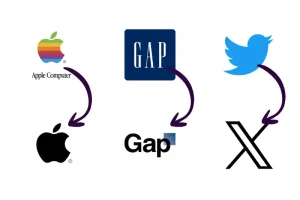
- You need to shed negative associations or recover from a crisis. If your brand has been tarnished by a scandal, a major product failure, or persistent negative public perception, a rebrand can be a powerful tool to signify a fresh start and a commitment to change. However, as noted in “Rebranding Success & Failures: What Apple, Gap & Twitter Can Teach You“, this must be accompanied by genuine internal change to be effective.
- The company’s vision, mission, or values have fundamentally changed. If the very soul of your company has shifted – perhaps you’ve adopted a new sustainable ethos, expanded your purpose, or changed your core business model – your brand must evolve to reflect this new reality. Authenticity, as explored in “Sustaining Your Brand: Long-Term Impact and Authenticity“, is paramount here.
The Risk of Misdiagnosis: Choosing the Wrong Path
Selecting the incorrect brand strategy can have significant repercussions, resulting in wasted resources, missed opportunities, and potentially damaging your brand’s market standing.
Consequences of a Refresh When a Rebrand is Needed
If your brand fundamentally needs a new identity but you opt for a mere refresh, you’re essentially putting a new coat of paint on a crumbling foundation.
- Superficial Change. The underlying problems (misalignment with the audience, outdated values, and lack of differentiation) will persist. You’ll look slightly better, but you won’t solve the core strategic issues.
- Wasted Investment. The money and effort spent on the refresh will yield minimal long-term benefits, as it doesn’t address the root cause of your brand’s struggles. This is a common pitfall we help clients avoid through our digital consultancy services.
- Missed Opportunity. You’ll miss the chance to truly reposition your brand, attract new markets, or shed negative perceptions, leaving your business vulnerable to competitors who are more agile in their brand strategy.
- Brand Fatigue. Repeated minor refreshes without a clear strategic direction can lead to brand fatigue among your audience, making them less receptive to future, more significant changes.
Consequences of a Rebrand When Only a Refresh is Needed
Conversely, undertaking a full rebrand when a refresh would suffice can be equally detrimental, if not more so, due to the sheer scale of the investment and potential disruption.
- Unnecessary Costs. Full rebrands are expensive. Investing significant capital in a complete overhaul when a simpler update would achieve your goals is a severe misallocation of resources. This directly impacts your budget for other critical areas, such as lead generation or ongoing SEO consultancy.
- Alienating Loyal Customers. As seen in infamous case studies like Tropicana or Gap (discussed in “Rebranding Success & Failures: What Apple, Gap & Twitter Can Teach You“), a drastic, unnecessary change can confuse and alienate your most loyal customers, leading to a loss of recognition and market share.
- Loss of Brand Equity. Years of building recognition and trust can be undone if the new brand is unrecognisable or poorly received. This is a direct hit to your intangible assets and long-term value.
- Internal Disruption. A full rebrand impacts every department. If not truly necessary, it can lead to employee confusion, resistance, and a diversion of focus from core business operations.
- Perceived Instability. Frequent, unnecessary rebrands can make a company appear unstable or lacking a clear direction, eroding trust among investors and partners.
The Importance of a Thorough Diagnostic Phase
To mitigate these risks, the diagnostic phase is paramount. This involves a deep, objective assessment of your current brand’s health, its market position, and its alignment with your strategic goals. This phase should include:
- Comprehensive Brand Audits. A detailed review of all existing brand assets, messaging, and touchpoints.
- Internal Stakeholder Interviews. Gathering perspectives from leadership, employees, and sales teams to understand internal perceptions and challenges.
- External Market Research. Conducting surveys, focus groups, and competitive analysis to gauge customer perception, market trends, and competitive positioning. This is a core component of effective digital consultancy.
- Performance Data Analysis. Reviewing website analytics, social media engagement, sales data, and other metrics to identify patterns and areas of concern.
Only after such a thorough diagnostic process can a business confidently determine whether an evolutionary refresh or a revolutionary rebrand is the appropriate strategic move.
Making the Right Strategic Choice for Your Brand’s Future
The decision to rebrand or refresh is one of the most significant strategic choices a business can make. This choice affects not only your visual identity but also your market position, customer relationships, employee morale, and your bottom line.
Understanding the nuances between a brand refresh and a full rebrand is critical. A refresh is about modernisation and maintaining relevance, a subtle evolution that keeps your brand current without altering its core. It’s a lower-cost, lower-risk option for brands that are fundamentally sound but need a facelift.
A full rebrand, conversely, is a deep, transformative reimagining. It’s necessary when your brand’s core identity, values, or market positioning are fundamentally misaligned with your strategic direction or the realities of the market. This is a high-investment, higher-risk endeavour, but one that can unlock profound growth and reposition your business for future success.
The key to making the right choice lies in a rigorous, data-driven diagnostic phase. By thoroughly assessing your current brand health, understanding your market, and clarifying your strategic objectives, you can avoid common pitfalls and ensure that your brand transformation is a strategic asset, not a costly mistake. Whether you choose evolution or revolution, a well-informed decision will save you time, money, and most importantly, preserve and enhance the invaluable equity of your brand.
If you’re grappling with this decision, consider engaging with experts in
branding and
digital consultancy to guide you through the diagnostic process and help chart the most effective course for your brand’s future. Investing in this strategic clarity upfront is the best way to ensure your brand not only survives but thrives in an ever-changing world.
Phase 5. Post-Launch: Maintenance and Monitoring
The launch is not the end of the rebranding journey; it’s the beginning of a new chapter. The final phase is about embedding the new brand into the fabric of your organisation and ensuring its long-term health and success.
The Purpose: The goal is to continuously monitor the performance of the new brand, gather feedback, and make necessary adjustments to maintain its relevance and effectiveness.
Key Activities & Deliverables:
- Monitor Feedback and Sentiment: Continuously track brand mentions, social media comments, and customer feedback to gauge public reception.
- Track Performance Against KPIs: Regularly measure the key performance indicators you established in the Discovery phase. Is website traffic up? Are you attracting the right kind of leads? Has brand sentiment improved? This data is crucial for demonstrating the ROI of your rebrand. Effective SEO consultancy is vital here to track changes in organic visibility and search performance.
- Prepare Post-Launch Content: A robust content strategy is needed to continue telling your brand’s story and reinforcing its new identity.
- Regular Evaluation and Adaptation: The market will continue to evolve, and your brand must be prepared to adapt. Regular brand health checks and a willingness to make minor adjustments will ensure your new brand remains relevant and powerful for years to come. As we discuss in “Sustaining Your Brand: Long-Term Impact and Authenticity“, this ongoing management is key to realising the full value of your investment. Key takeaway: Ongoing monitoring and adjustment are essential to sustain brand success post-launch.
Your Blueprint for Brand Transformation
Mastering the phases of rebranding turns it from a daunting, risky process into a structured, strategic path for growth. Each phase, from discovery to ongoing monitoring, is interconnected and essential. By committing the focus and resources required for each, you ensure your new brand becomes a true reflection of your company’s vision, a meaningful tool for connecting with your audience, and a solid foundation for future success.
If you’re considering a rebrand, remember that this journey is best navigated with a clear map. By following this five-phase blueprint, you can confidently lead your organisation through a transformation that is not only successful but truly transformative. Engaging with a branding partner who understands this comprehensive process can provide the expertise and support needed to master every phase and achieve your strategic goals.