
Branding


Branding
Every successful business eventually faces a moment when its brand no longer fits as well as it once did. This isn’t a failure, it’s usually a sign of growth and evolving ambition. But how do you know when change is needed? Because rebranding is significant and resource-intensive, it should be a strategic decision based on clear signals, not just changing trends.
Your brand continuously communicates with the market, customers, and your teams. Sometimes, it hints at needing a minor change; other times, it suggests a complete transformation is key for survival and growth. Recognising these “triggers” is the first and most critical step in a successful rebrand. This article explores the main signals that it may be time to rebrand, helping you assess whether a strategic overhaul is the right move for your business.
Often, the most compelling reasons to rebrand come from outside your organisation. The market is a living entity, and brands that fail to adapt to its shifts risk becoming obsolete.
This is arguably the most common and visible trigger for a rebrand. An outdated brand image can manifest in several ways: your logo might look like a relic from a bygone design era, your website’s user experience could be clunky and non-responsive, or your marketing materials might simply fail to capture a modern aesthetic. While it might seem like a purely cosmetic issue, an outdated image can have profound business consequences. It may signal to potential customers that your company is stagnant, out of touch, or technologically behind. In a world where first impressions are often digital, an old-fashioned brand can deter new talent, lose out to more contemporary competitors, and fail to connect with younger demographics.
A brand’s visual identity has a natural shelf life, often estimated to be around 7-10 years. Beyond this, it risks looking tired. A strategic branding initiative can breathe new life into your visual identity, ensuring it reflects a forward-thinking and relevant organisation. This often goes hand-in-hand with a modern web design, creating a cohesive and compelling digital storefront.
Growth often means venturing into new territories, both geographically and demographically. Your original brand might have been perfectly tailored for a specific niche, but as your business expands, that same branding could be limiting. For instance, a brand with a playful, localised name might struggle to gain credibility in a more corporate or international market.
Similarly, if your strategic goal is to attract a new target audience—perhaps a younger demographic or a more affluent customer segment—your existing brand might not resonate with their values, aesthetics, or communication styles. A rebrand allows you to strategically reposition your company to appeal to these new groups. This process requires deep market research and a clear understanding of the new audience’s psychographics, a core component of our digital consultancy services. By realigning your brand’s messaging, tone, and visual identity, you can effectively open doors to new revenue streams and growth opportunities.
No brand exists in a vacuum. If your market has become saturated with new competitors, or if an existing rival has successfully rebranded and is capturing market share, standing still is not an option. A rebrand can be a powerful strategic move to differentiate your business and clearly articulate your unique selling proposition (USP).
This isn’t about simply copying your competitors. It’s about conducting a thorough competitive analysis to identify gaps in the market and opportunities to position your brand in a unique and compelling way. What do you offer that no one else does? How can your brand story, visual identity, and messaging reflect that unique value? The answers to these questions are fundamental to creating a brand that not only competes but leads. This strategic differentiation is also a key factor in improving your online visibility, a goal we often address through our SEO consultancy services.
Taking a brand global is a complex endeavour. A name, symbol, or colour that works perfectly in one culture can have unintended or even negative connotations in another. A successful international expansion often necessitates a rebrand to ensure cultural and linguistic suitability. This could involve creating a more universally understood brand name, adapting your logo to be more culturally neutral, or adjusting your messaging to resonate with the values and norms of different regions. This proactive adaptation prevents costly cultural missteps and ensures your brand is welcomed, not rejected, by new international audiences.
Sometimes, the most powerful triggers for a rebrand come from within. As your organisation evolves, its brand must evolve with it to remain an authentic representation of who you are.
This is one of the most profound reasons for a rebrand. Perhaps your company has pivoted from a product-focused model to a service-based one. Maybe you’ve embraced a new commitment to sustainability that is now central to your operations. Or perhaps your founding vision has expanded to a much grander scale.
When the very soul of your company changes, your brand its outward expression must follow suit. Continuing to operate under a brand that reflects a past version of your company creates a disconnect. It’s inauthentic and confusing for both customers and employees. By rebranding, you can align your external identity with your new internal reality, creating a powerful and cohesive narrative that reflects your updated brand. As we explore in our blog, “Sustaining Your Brand: Long-Term Impact and Authenticity”, this alignment is the cornerstone of long-term trust and loyalty.
When two or more companies come together, a critical strategic decision must be made about branding. Do you maintain one of the existing brands, create a new one entirely, or operate as a “house of brands”? In many cases, especially in a merger of equals or when creating a new entity with a combined vision, a full rebrand is necessary.
This helps to unify the different corporate cultures, create a single, cohesive identity for the newly formed organisation, and signal a new era to the market. It prevents customer confusion and internal division, fostering a sense of shared purpose under a new banner. Navigating the complexities of a post-merger rebrand is a significant challenge where expert branding and digital consultancy can provide invaluable guidance.
If your business started by selling a single product but has since diversified into a wide range of services, your original brand name and identity may no longer be representative. For example, a company named “Steve’s Web Hosting” that now offers full-stack digital marketing, SEO, and branding services is limited by its name.
A rebrand allows you to create a more encompassing identity that accurately reflects the full scope of your offerings. This prevents you from being pigeonholed and makes it easier to market your diverse services to both new and existing customers. It ensures your brand name is an asset, not a limitation, for future lead generation and growth.
While proactive rebranding is ideal, sometimes external events force a change. In these scenarios, a rebrand can be a crucial tool for recovery and repositioning.
If your brand has been tarnished by a major product failure, scandal, or persistent negative public perception, a rebrand can be a powerful way to signal a clean slate. It communicates to the market that you have addressed the underlying issues and are moving forward under a new commitment to quality, ethics, or customer satisfaction.
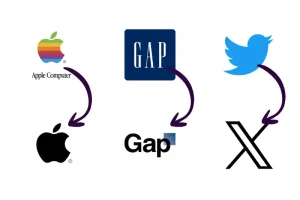
However, this is a delicate process. As highlighted in our analysis, “Rebranding Success & Failures: What Apple, Gap & Twitter Can Teach You“, a rebrand cannot be a superficial attempt to hide from past mistakes. It must be accompanied by genuine, demonstrable internal change. If the underlying problems are not resolved, the rebrand will be perceived as inauthentic and is likely to fail, potentially causing further damage to your reputation.
In some instances, a rebrand is not a choice but a necessity. You may discover that your brand name or logo infringes on an existing trademark, forcing you to change it to avoid legal action. While reactive, this presents an opportunity to think strategically. Instead of simply choosing a new name, you can use the situation as a catalyst to re-evaluate your entire brand strategy and emerge with a stronger, more defensible, and more compelling market position.
The triggers for a rebrand are diverse, ranging from proactive strategic shifts to reactive crisis management. What they all have in common is a fundamental misalignment between your current brand and your company’s reality or future aspirations. Recognising these signals early is key to ensuring your brand remains a powerful asset for growth and staying ahead of the competition.
The decision to rebrand should not be taken lightly. It requires a deep, honest assessment of your business, your market, and your goals. As we discuss in “Is Your Brand Ready for a Rebrand or Just a Refresh?”, it’s crucial to diagnose the problem correctly. Is it a surface-level issue that a refresh can solve, or a deep, strategic misalignment that demands a full rebrand?
If you recognise several of these triggers in your own business, it may be time to consider a strategic transformation. Engaging with a digital consultancy can provide the objective analysis and expert guidance needed to navigate this complex process, ensuring your next move is a strategic leap forward, not a costly misstep. By listening to the signals your brand is sending, you can seize the opportunity to redefine your future and build a brand that is not only relevant today but resilient for years to come.
Get in touch
We’re here for you.